

Industry News

Manufacturing News
12-19-24_Manufacturing-Newsletter The post Manufacturing News appeared first on Industry Today - Leader in Manufacturing & ...
Read More 
Reshaping Supply Chains: Influence of Government Policy
Trade regulations, environmental standards, labor laws, and technology investments are transforming how companies utilize the ...
Read More 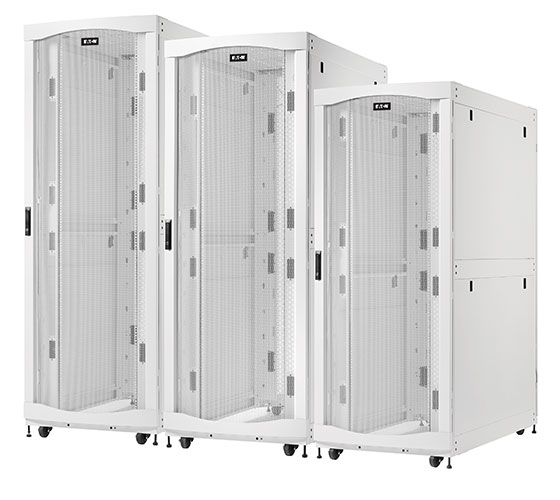
A Power Management Playbook for the AI Era
How manufacturers can optimize their backup power strategy to align with rapid technology advancement. By ...
Read More 
American Manufacturing Pressure and Productivity Index
CADDi’s American Manufacturing Pressure and Productivity Index, based on a survey of over 330 U.S. ...
Read More 
NPI Technologies: Redefining High Mix, Low Volume Production through Innovation and Collaboration
Discover how NPI Technologies, a family-run electronics manufacturer, built its reputation on high-mix, low-volume production ...
Read More
Manufacturing to Generate 4.4 ZB of Data by 2030: Bridging the Data Fabric Expertise Gap is Critical for Proper Data Utilization FOR IMMEDIATE RELEASE Read this press release on our website. Set up a briefing with an ABI Research analyst for more information. 18 December 2024 By 2030, according to forecasts by global technology intelligence firm ABI Research, the manufacturing industry is projected to generate 4.4 zettabytes of data worldwide. This massive data stream, originating from IoT sensors, CNC systems, ERP platforms, automated identification readers, and MES systems, represents a transformative opportunity for enterprises to sustain competitiveness, drive innovation, and enable AI-driven solutions. However, many enterprises and digitalization providers lack the expertise to leverage this data fully, resulting in inefficiencies and revenue losses of hundreds of millions of dollars annually. “Generating a lot of data is one thing – being able to analyze and prepare this data for Large Language Models and AI algorithm training is another,” states Leo Gergs, Principal Analyst at ABI Research. “Data fabrics hold immense promise in transforming enterprise operations through seamless integration, enhanced governance, and automated data management. To unlock their full potential, it’s imperative to address a spectrum of challenges spanning technology, governance, operations, and organizational readiness.” Integrating legacy systems, on-premises platforms, and cloud-native solutions into a cohesive data fabric is a major hurdle. Vendors like Databricks, IBM, and NetApp are developing platforms that unify these environments, enabling real-time data processing and seamless compatibility. Gergs explains, “The ability to bridge diverse systems is critical to unlocking the true value of data fabrics. Enterprises manage sensitive and regulated data that require strict compliance frameworks.” Solutions like Informatica’s Intelligent Data Management Cloud, Palantir Foundry, Cloudera’s Data Platform, and AWS Industrial Data Fabric enable enterprises to enforce governance with automated lineage tracking, access control, and encryption. Data fabrics must ensure trust and compliance, particularly in healthcare, manufacturing, and government sectors. Traditional methods like manual ETL and siloed systems hinder scalability. Vendors such as Qlik, Denodo, Databricks, and Microsoft Fabric are addressing these bottlenecks by automating workflows, enhancing real-time analytics, and streamlining operations. According to Gergs, “Enterprises are looking to data fabrics for faster, smarter, and more efficient data handling.” Balancing customization for unique enterprise needs with scalable solutions is essential. But in all of this, the right balance between customization and standardization is critical for widespread adoption and long-term success.” To overcome these challenges, vendors must go beyond delivering technology and providing comprehensive integration support, education, and ongoing collaboration with enterprises. “The key to success is not just selling a product but enabling a partnership. Vendors must walk together with enterprises, guiding them through integration, building workforce capabilities, and ensuring long-term value. A proactive and supportive approach will transform obstacles into opportunities,” Gergs advises. These findings are from ABI Research’s Overcoming Challenges in Bringing Data Fabrics to Industrial Enterprises report. This report is part of the company’s Hybrid Cloud & 5G Markets research service, which includes research, data, and ABI Insights.
By 2030, according to forecasts by global technology intelligence firm ABI Research, the manufacturing industry ...
Read More
Jabil Posts Strong First Quarter Results
ST. PETERSBURG, Fla.–(BUSINESS WIRE)– Jabil Inc. (NYSE: JBL), reported preliminary, unaudited financial results for its ...
Read More
SG Automotive’s Klaus Schuster Discusses Slovenia’s EMS Sector
EMSNOW discusses Slovenia’s thriving EMS industry with Klaus Schuster from SG Automotive. His company faces ...
Read More
Manufacturing sector most targeted by cyber threat actors during Q3
London, UK– Leading industrial cybersecurity solutions provider, Dragos has revealed manufacturing as the most likely industrial sector to ...
Read More 
Can Adaptive Headlights Make Driving Safer?
In February 2022, the U.S. National Highway Traffic Safety Administration (NHTSA) ruled that automobile makers ...
Read More